Key Takeaways
- Treatment Overview: Fat grafting to the face is an innovative facial rejuvenation procedure that transfers purified fat harvested from one area of the body to the face with the goal of restoring lost volume and minimizing fine lines and wrinkles.
- Benefits: Fat grafting effectively addresses sunken cheeks and temples, under-eye hollowing, nasolabial folds, and loss of definition along the jawline and chin. The procedure can also smooth fine lines, soften shallow scarring, and add fullness to the lips, although patients whose primary concern is sagging skin or jowls may be better served with a facelift.
- Candidates: Good candidates are those who experience age-related facial volume loss and want natural, long-lasting improvement while having adequate donor fat available. Patients should have realistic expectations and understand that fat grafting restores volume, but cannot fully address significant skin laxity or sagging.
- Procedure Details: The outpatient procedure is performed in two steps: fat is removed from a donor site using a fine cannula and gentle suction, then purified and injected into targeted facial areas. Injections can often be delivered in an in-office setting and usually take only a few minutes to complete.
- Recovery: Most patients return to regular activities within 4–7 days, with the majority of recovery time attributed to the liposuction portion of the procedure rather than the facial injections themselves. Mild swelling and possible bruising at both the donor and injection sites are normal, and typically resolve on their own within a few weeks.
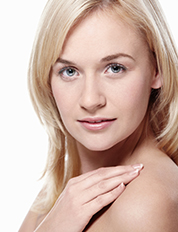 Facial fat grafting is an innovative facial rejuvenation and anti-aging treatment. The procedure involves the transfer of harvested fat from one area of the body to the face. Facial fat grafting effectively restores lost volume in areas like the cheeks and chin. It can also minimize the appearance of fine lines and wrinkles. Dr. Geoffrey Leber, our Scottsdale-based board-certified plastic surgeon, can use the fat transfer technique to add volume, enhance fullness, and generally rejuvenate the face.
Fat grafting typically uses fat from a distant location, like the thighs or buttocks. The fat is purified (harvested) before it is injected into the face. For some, facial fat grafting may kill two birds with one stone – removing unwanted fat from one area of the body via liposuction, and using it to enhance the appearance of the face.
- Facial Fat Grafting Candidates
- Facial Fat Grafting Procedure
- Facial Fat Grafting Recovery
- Facial Fat Grafting Results
- Facial Fat Grafting Cost
- Facial Fat Grafting Scars
- Non-Surgical Facial Volume
- Facial Fat Transfer Complements
- Facial Fat Transfer Alternatives
Is Facial Fat Grafting Right for Me?
While an innovative and effective technique to correct signs of facial aging, fat transfer to the face may not be for every patient. It’s important to be well-educated on the benefits and risks of the procedure to maintain realistic expectations for the improvements that facial fat grafting can achieve. Depending on your needs, facial fat transfer can be used on the following areas:
- Sunken cheeks or temples
- Under eye area
- Naso-labial folds
- Jawline and chin
The procedure can also be utilized to smooth out fine lines and shallow scarring, as well as to give the lips a fuller, more youthful pout. That said, if your main concern is smoothing jowls or correcting sagging skin around the cheeks and jawline, you may better achieve your goals with a facelift. Dr. Leber can help you assess the most effective treatment for your goals based on the nature of your concerns.
How is the Facial Fat Grafting Procedure Performed?
Facial fat grafting is done in two basic steps: the first is the removal of fat pockets from another area of the body, such as the stomach, hips or waistline. This is done through a liposuction procedure using a fine tube called a cannula, which is inserted into the fatty tissue. The cannula loosens the fat, while a gentle suction device removes it from the body. Liposuction is usually performed under local anesthetic, although sedation or general anesthesia may be used for removal of larger amounts of fat.
Once the fat is removed, it is harvested for injection into targeted areas of the face. Injections only take a few minutes to complete and do not require any type of anesthetic beforehand. Most patients will need to spend 1-2 hours in recovery after the procedure, primarily for observation after liposuction.
What is Recovery From Facial Fat Transfer Like?
Most of the recovery time after facial fat grafting is due to liposuction performed at the beginning of the procedure. Swelling and possible bruising after liposuction are normal reactions and should subside naturally, especially if patients closely follow Dr. Leber’s instructions on taking medications, wearing post-operative compression garments, etc. Most patients return to regular activities within 4-7 days, depending on the amount of fat removed and the number of areas treated. The most common side effect of facial injections is mild swelling at the injection sites, which subsides on its own within a few weeks.
How Long Do Facial Fat Grafting Results Last?
Once the surviving fat “takes,” the outcome achieved should remain stable indefinitely. Facial fat transfer cannot stop the natural aging process, but surgery can help individuals age more gracefully by combating age-related volume loss in the cheeks, temples, jawline, and facial creases. Since fat grafting uses your own natural tissue, the volume enhancement tends to last much longer than the results provided by injectable dermal fillers. While fillers such as Restylane® and Sculptra® Aesthetic only provide a temporary outcome, fat grafting has been known to last years and even decades.
Results from facial fat grafting can be seen right away and will continue to improve over the following weeks. This procedure provides long-term results, both from the liposuction and facial injections. While a single session of fat grafting is usually sufficient, some patients may need more than one session to achieve desired results.
How Much Does Facial Fat Transfer Cost?
Facial fat grafting is often performed as an office procedure in our operating room under local anesthesia, which significantly reduces the cost of the procedure. Like all treatments, each patient receives a personalized quote based on their needs and the details of their treatment plan. In Scottsdale, cost estimates tend to be much more economical than the prices typical of coastal cities, although your plastic surgeon’s level of experience and skill will influence the surgeon’s fee. Other factors affecting the cost of facial fat transfer include:
- The surgical techniques utilized (liposuction, fat transfer, etc.)
- The extent of your concerns
- The amount of fat transferred
- The complexity of the procedure
- Lab fees, anesthesia fees, hospital fees, etc.
If desired, our Scottsdale practice accepts plastic surgery financing from qualified patients through CareCredit® and Prosper® Healthcare Lending. Upon approval, these major healthcare lenders can offer a more affordable method of paying for your cosmetic treatment or procedure. Don’t hesitate to contact Dr. Leber’s office for more information about the cost of fat transfer, or to speak with a member of our team.
Will I Have Visible Scars From Facial Fat Transfer?
Dr. Leber works diligently to help ensure scars from facial fat grafting are as imperceptible as possible. Fortunately, injections during the transfer process are performed using an ultra-fine blunt cannula through a small needle-stick incision, which heals with minimal to no scarring. The liposuction portion of the procedure only requires 2 to 3 mm incisions, eliminating the risk of extensive scarring. We invite patients to explore our before-and-after photos to get a better understanding of the types of results you can expect after the facial fat grafting procedure.
Non-Surgical Options to Enhance Facial Volume
While facial fat transfer offers the most natural and long-lasting results in replenishing age-related volume loss, our team understands that not all patients wish to undergo the invasiveness and recovery time of a surgical procedure. With that said, facial rejuvenation can still be achieved non-surgically with the following treatment options:
- Restylane®: Restylane® is a trusted hyaluronic acid filler line that effectively adds facial volume, smooths wrinkles, and enhances features such as the lips, cheeks, and under-eye hollows. Restylane® works by binding water molecules to plump and hydrate the skin, offering results that can last up to 18 months.
- JUVÉDERM®: JUVÉDERM® is a family of hyaluronic acid-based dermal fillers that can restore lost volume, enhance facial contours, and smooth out wrinkles and folds. Different formulations within the JUVÉDERM® line — such as JUVÉDERM® Voluma for the cheeks, JUVÉDERM® Vollure for facial creases, and JUVÉDERM® Volbella for the lips — allow for precise customization of results based on your areas of concern.
- Sculptra® Aesthetic: Sculptra® Aesthetic uses poly-L-lactic acid (PLLA) to increase facial volume, a biocompatible compound that works gradually to stimulate the body’s natural collagen production. Rather than providing instant volume, Sculptra® restores facial fullness over time by encouraging new collagen growth, helping to rebuild the skin’s underlying structure.
These facial fillers offer versatile, non-surgical solutions to enhance volume, restore youthful contours, and refine overall facial harmony. By choosing the right filler, or a combination of them, patients can achieve beautifully rejuvenated results that complement their natural features without the need for invasive procedures.
Dr. Geoffrey Leber—our board-certified plastic surgeon—and his staff are here to help you achieve your aesthetic goals in a safe and caring environment. If you’re interested in scheduling a procedure, reach us by phone (480) 945-5522 or email us.
Complements to Facial Fat Grafting
For Scottsdale patients who are seeking more comprehensive enhancement than facial rejuvenation alone, Dr. Leber can often combine fat transfer with other popular aesthetic services for a more tailored result. Fat transfer to the face is typically paired with adjunctive procedures including:
- Facelift: While fat grafting restores age-related facial volume, this technique cannot correct skin laxity and or restore support for the SMAS (the deeper connective tissue layer). A facelift can recontour the jawline, jowls, and neck for a more defined facial profile.
- Lower Eyelid “Pinch” Blepharoplasty: “Pinch” blepharoplasty is a conservative, skin-only technique that removes a small strip of redundant lower eyelid skin without disturbing the underlying fat pads or orbital septum. Fat grafting to this region softens this transition, restoring a smoother, more continuous contour from the lower lid to the cheek.
- Fat transfer breast augmentation: When fat is utilized for breast enhancement, the excess fat cells are injected into the breasts for additional fullness rather than using implants. This can produce a natural, modest increase in breast volume — typically one-half to one full cup size — while simultaneously slimming the donor area. The breast size enlargement is less dramatic than augmentation with implants, but the procedure can offer a more subtle result when compared to implant placement.
Are There Alternatives to Facial Fat Grafting?
While fat grafting can restore lost facial volume caused by aging, the procedure does not address jowls, heavy folds, sagging skin, and neck laxity. These concerns can be effectively treated with a facelift, which is designed to lift and reposition the underlying support for the face, remove or redistribute excess skin, and restore a more youthful look in ways that volume enhancement alone cannot achieve.
For patients whose concerns are primarily characterized by deflation and hollowness, fat grafting may be sufficient. For those with significant skin laxity or structural descent, a facelift combined with facial fat grafting is often the more effective solution. Dr. Leber integrates both approaches by repositioning tissue with a facelift while simultaneously restoring volume with fat grafting to further enhance the results. Patients who are not ready for surgery may also consider dermal fillers like Restylane® or JUVÉDERM®, and/or energy-based skin tightening depending on the degree of aging observed.
Dr. Geoffrey Leber—our board-certified plastic surgeon—and his staff are here to help you achieve your aesthetic goals in a safe and caring environment. If you’re interested in scheduling a procedure, reach us by phone (480) 945-5522 or email us.